
Japanese Glassware
Hirota Glass · Tokyo since 1899
Japanese glassware from Tokyo
Hand-made Edo glass and retro Japanese designs by Hirota Glass, founded in Tokyo in 1899. For gift shops, restaurants, hotels and lifestyle stores.
Hirota Glass mixes European glassmaking methods with Japanese design. Many of its patterns come from the 1910s to 1930s, made again today by skilled craftspeople.
- Edo glass
- Hand-made
- Gift-ready designs
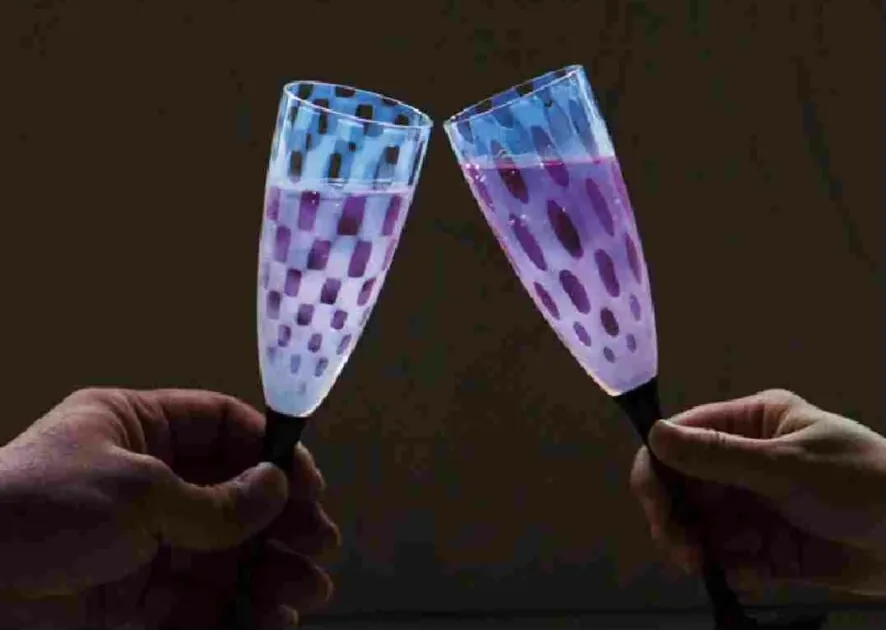
1899
Hirota Glass founded in Tokyo
2014
Edo glass named a traditional craft of Japan
Hand-made
Many pieces are blown or finished by hand
The maker
Tokyo glassmaking since 1899
Hirota Glass started in Tokyo in 1899, in the Meiji era, when Western glassmaking was spreading in Japan. The company has kept its design archive since its early days, and it uses those designs to make glassware for today’s homes and tables.
The range includes hand-blown Edo glass, Edo kiriko cut glass and pressed glass with relief patterns. Each collection has a story that shops can tell their customers.
Know the craft
Edo glass and Edo kiriko: what is the difference?
Buyers often ask about these two names. Both come from Tokyo, and both are designated traditional crafts of Japan.
Edo glass (Edo garasu)
Glassware made by hand in and around Tokyo, with methods passed down since the Edo period. Craftspeople blow and shape each piece. Edo glass became a national traditional craft of Japan in 2014.
Edo kiriko
Cut glass from Tokyo. Craftspeople cut fine geometric patterns into the surface of the glass, by hand. Edo kiriko became a national traditional craft of Japan in 2002.
What this means for you
Hand-made pieces vary a little in shape, size and colour, and may show small bubbles. This is normal for hand-made glass, and part of its character.
Collections
Collections buyers ask for
A selection from the Hirota Glass range. Ask us for the full catalogue and current availability.
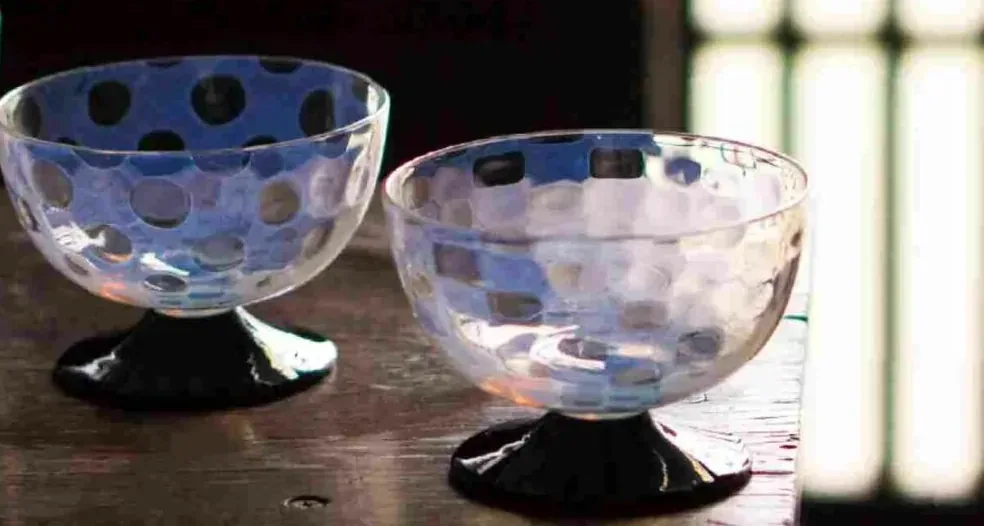
Taisho Roman
Opal ice cream cups
Footed glasses with milky opal dots and stripes, a style from the Taisho era (1912–1926). For desserts, fruit and shaved ice.
- Dessert cups
- Made in Japan
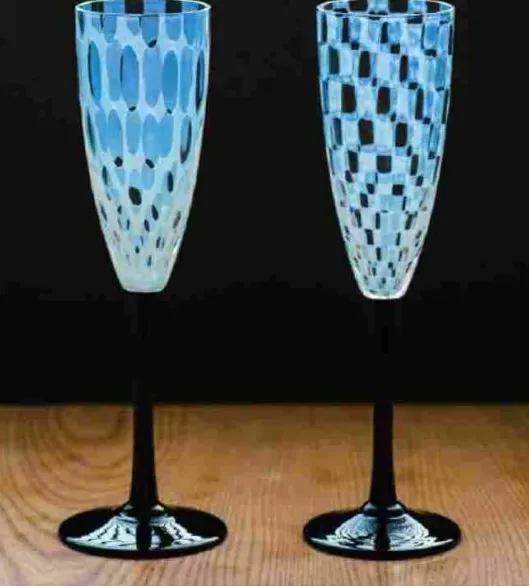
Taisho Roman
Opal champagne flutes
Flutes with opal checks and dots on black stems. A striking piece for bars, restaurants and gift sets.
- Single or pair set
- Made in Japan
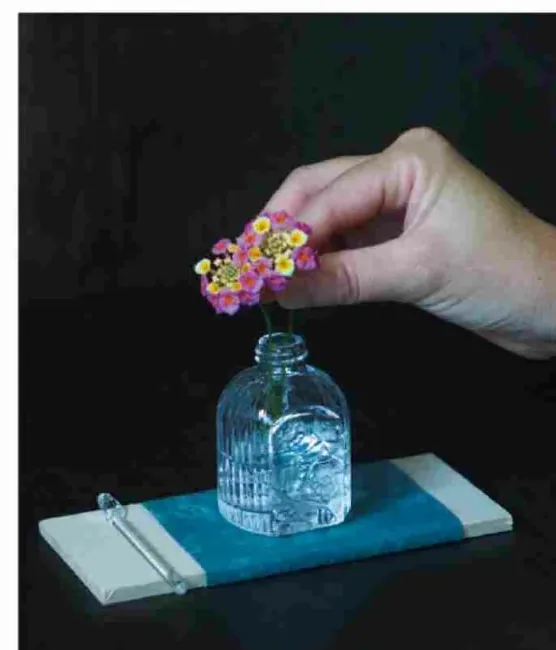
Lacey
Pressed glass with relief
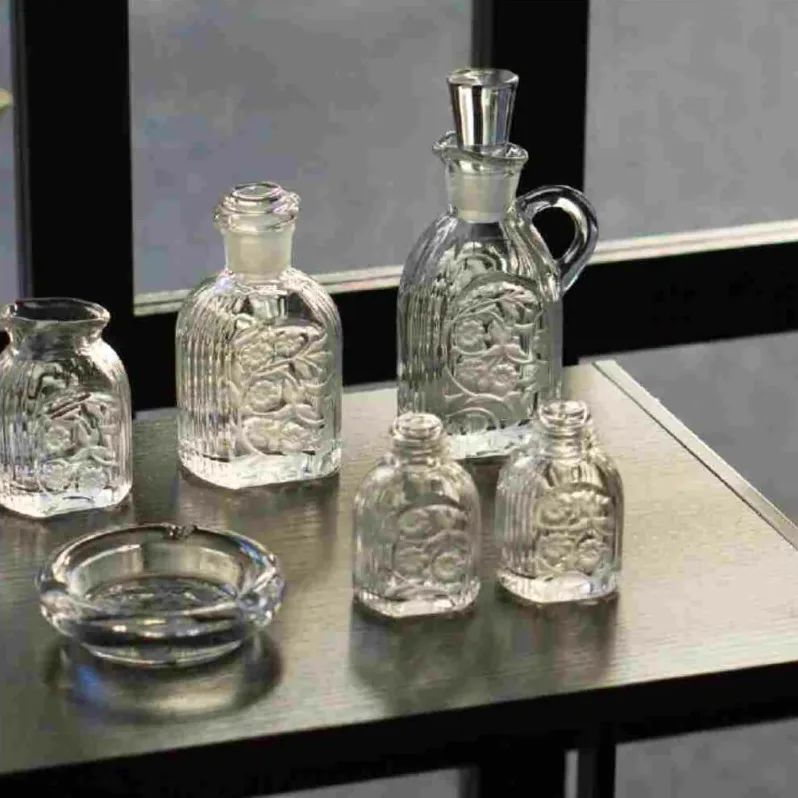
Clear pressed glass with a raised pattern: cruets, bottles, vases and small dishes. Classic and easy to use every day.
- Cruets
- Bud vases
- Made in Japan
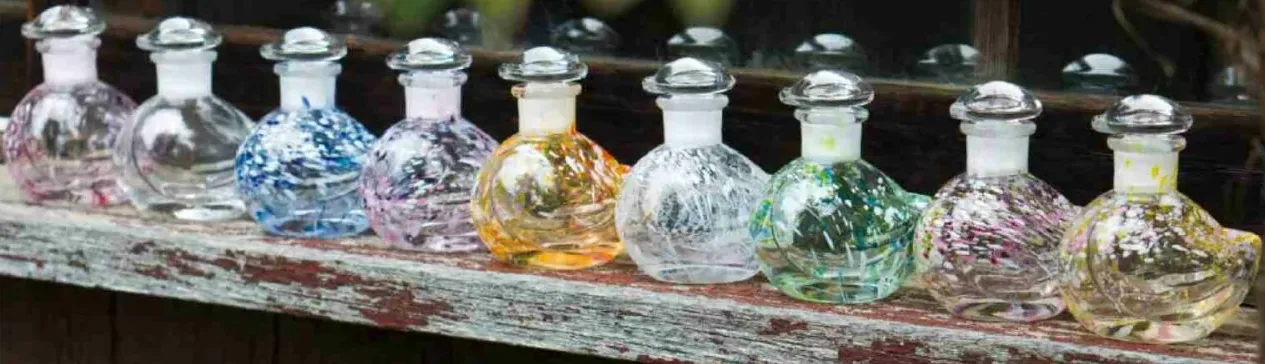
Tableware
Little-bird soy sauce bottles
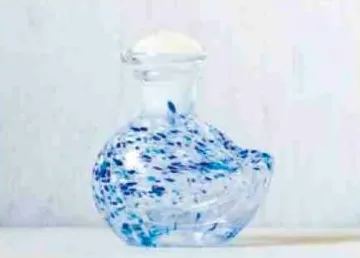
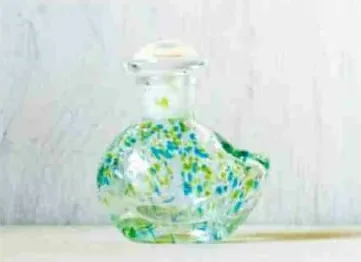
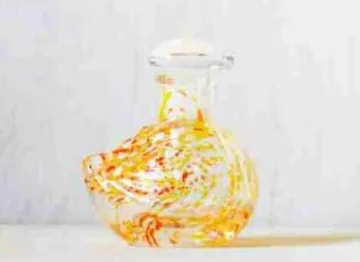
Bird-shaped bottles in nine colours. They pour in a thin line, stop cleanly and do not drip easily.
- 9 colours
- 80 ml
- Made in Japan
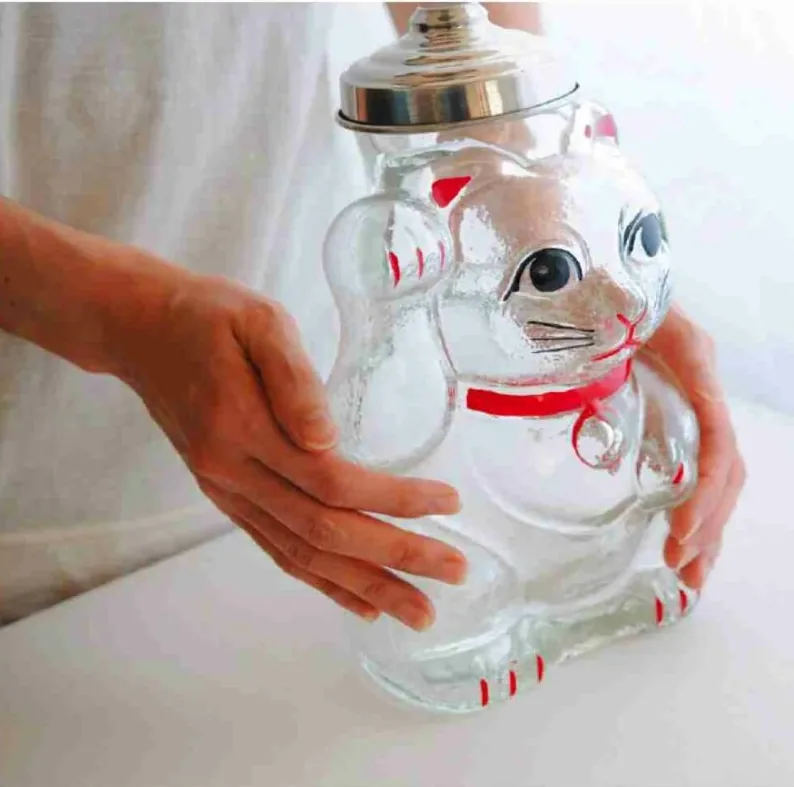
Retro glass
Maneki-neko jars
Glass jars in the shape of the lucky beckoning cat, based on old sweet-shop jars. Two sizes, and a coin bank. A strong gift and display item.
- Candy jars
- Coin bank
- Made in Japan
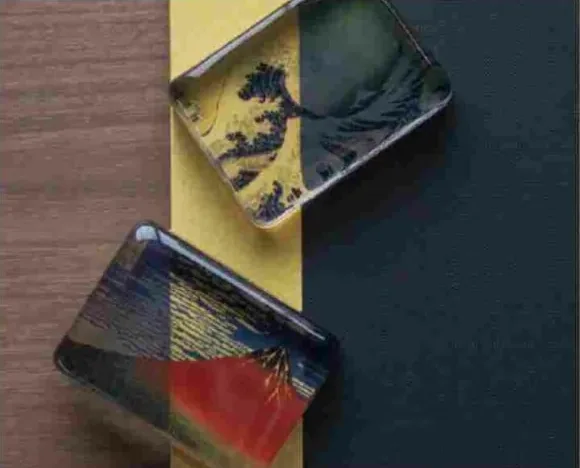
Art and gifts
Hokusai glass paperweights
Paperweights and small plates with famous prints by Katsushika Hokusai, such as The Great Wave.
- Paperweights
- Small plates
- Made in Japan
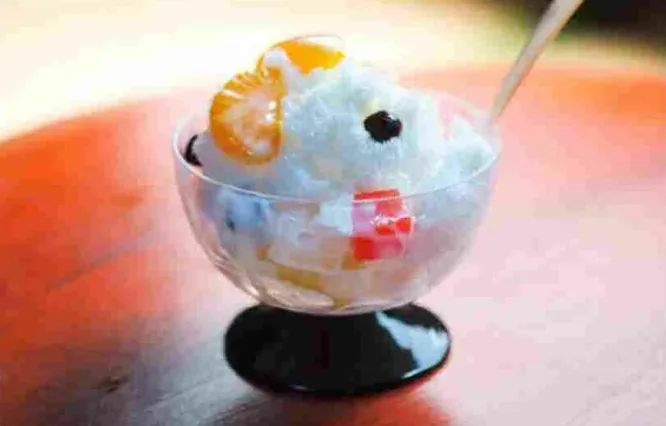
Summer in Japan
Kakigori in an opal cup
In Japan, shaved ice (kakigori) is a summer favourite. These footed opal cups are made for it, and they work just as well for ice cream, fruit and desserts.
Who buys from us
Where Japanese glassware sells well
Gift and museum shops
Maneki-neko jars, Hokusai paperweights and small pieces with a clear Japanese story.
Japanese restaurants and bars
Sake glasses, flutes, dessert glasses and soy sauce bottles that match Japanese food.
Lifestyle and department stores
Retro patterns and pressed glass for everyday tables, with gift boxes on request.
One shipment
Combine glassware with knives, cutting boards and other Japanese goods in one order, one invoice and one shipment.
We plan the packing with you. Glass is packed separately and marked as fragile.
Related pages
More from Japan
FAQ
Questions about Japanese glassware
Do you supply Hirota Glass wholesale?
Yes. We export Hirota Glass products to shops, restaurants and distributors overseas. Tell us the items or the style you are looking for, and we will check availability and price.
What is the difference between Edo glass and Edo kiriko?
Edo glass is glassware made by hand in and around Tokyo, using methods passed down since the Edo period. Edo kiriko is cut glass from Tokyo, with fine patterns cut into the surface. Both are traditional crafts of Japan.
Are all Hirota Glass items made in Japan?
Most items are made in Japan, but not all of them. We confirm the country of origin for each item before you order.
Can I get the latest catalogue?
Yes. Ask us for the current Hirota Glass catalogue, and tell us your market and the type of shop, so we can suggest suitable items.
How do you ship glassware?
Glass needs careful packing. We plan the packing and the shipping method with you, by air or by sea, and we can combine glassware with other Japanese goods in one shipment.
Can you supply Edo kiriko cut glass?
Hirota Glass also makes Edo kiriko. Tell us the items you are interested in, and we will check availability, lead time and price.
Contact us
Ask about Hirota Glass
Tell us the items or the style you are looking for, the quantities and your destination. We will send availability and a quotation.
Email info@h-and-k-llc.com
Phone +81-3-6899-5466
WhatsApp
What happens next
- We reply by email with questions or a first quotation.
- We confirm stock, prices and lead times with each maker.
- When you are ready, we send a pro-forma invoice.